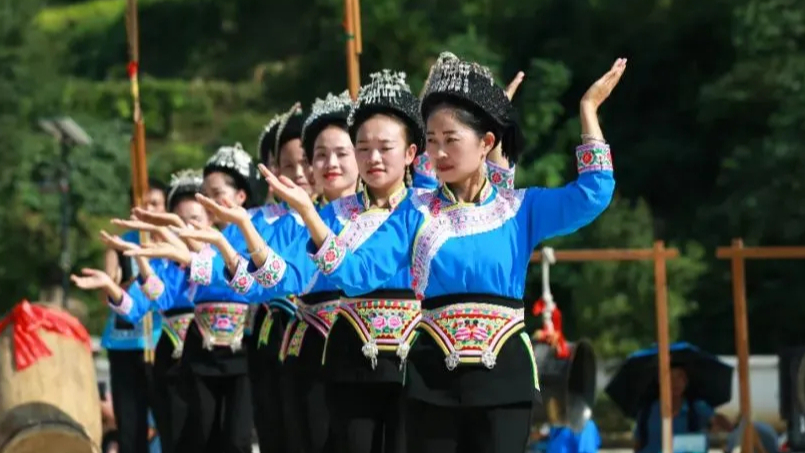
Shui Ethnic Group
Introduction
The Shui Ethnic Group is an indigenous community primarily located in the mountainous regions of Guizhou province in Southwest China. Known for its rich cultural heritage and traditional practices, the Shui people have a distinctive cultural identity that has been preserved over the centuries. The majority of Shui people reside in the Sandu Shui autonomous county, Qiannan Buyi and Miao autonomous prefecture, which is the only autonomous county for the Shui in China. Smaller populations can be found in neighboring areas of Guangxi Zhuang autonomous region and Yunnan province. With a population that remains relatively small compared to other ethnic groups in China, the Shui have managed to maintain a unique societal structure and cultural practices, including their celebrated festivals, traditional clothing, and unique crafts such as horse tail embroidery and batik. The Shui community is recognized for its strong sense of identity and dedication to preserving its cultural heritage, which is evident in their vibrant celebrations and traditional arts.
History
The origins of the Shui ethnic group are deeply embedded in the history of China's diverse ethnic tapestry. Historical accounts suggest that the Shui might have descended from ancient tribes that once inhabited the southern regions of China. Over time, these tribes settled in what is now Guizhou province, where they developed a distinct culture and way of life. Their history is characterized by a deep connection to their land and traditions, which have been passed down through generations, preserving their unique cultural identity.
Culture
Language and Script
The Shui language is a vital aspect of the cultural identity of the Shui ethnic Group. The language has its own script, known as the Shui script, which is used for religious and cultural texts. Although the number of fluent speakers has declined over the years due to external influences and modernization, efforts are being made to revitalize the language through education and cultural programs. The preservation of the Shui language is crucial for maintaining the group's cultural heritage and passing down traditional knowledge to future generations.
Traditional Clothing
Traditional clothing is an integral part of the cultural expression of the Shui people. Their attire is known for its vibrant colors, intricate designs, and the use of natural materials. One of the most notable aspects of Shui traditional clothing is the use of horse tail embroidery, a technique that involves weaving horse hair with silk thread to create intricate patterns and motifs. This embroidery is often featured on garments such as baby straps, aprons, and bridal dresses, showcasing the artistic talents and cultural symbolism of the Shui community. The traditional clothing is not only a reflection of their aesthetic values but also a means of preserving and promoting their cultural heritage in contemporary society.
Festivals and Celebrations
Festivals and celebrations play a significant role in the social and cultural life of the Shui ethnic group. Among the most prominent is the Duan Festival, a grand celebration that spans 49 days, starting in the twelfth month and ending in the second month of the Shui calendar. The festival is a time for offering sacrifices to ancestors, celebrating the harvest, and welcoming the new year. It features a variety of activities, including folk-custom rituals, festival parades, bullfighting, and Lusheng (reed pipes) performances. In 2006, the Duan Festival was recognized as a national intangible cultural heritage, highlighting its importance in the cultural landscape of China. These festivals serve as a platform for the Shui people to express their cultural identity and strengthen communal bonds.
Cuisine
The cuisine of the Shui ethnic group is characterized by its use of locally sourced ingredients and traditional cooking techniques. Staple foods include rice, corn, and various vegetables, often accompanied by meats such as pork and chicken. The Shui people are known for their skill in preparing preserved and fermented foods, which are essential for sustaining the community through the harsh winters in the mountainous regions. Traditional Shui cuisine is not only a source of sustenance but also a reflection of their cultural values and connection to the land. Culinary practices are often passed down through generations, ensuring the continuity of their unique flavors and cooking methods.
Social Structure
Family and Kinship
Family and kinship are central to the social structure of the Shui ethnic group. The Shui people have a patrilineal system, where lineage and inheritance are traced through the male line. Extended families often live in close proximity, fostering strong kinship ties and mutual support. The family unit is the primary social and economic unit, with members working together to maintain the household and community. Traditional roles within the family are clearly defined, with elders holding positions of respect and authority. The maintenance of family bonds and kinship networks is crucial for the social cohesion and cultural continuation of the Shui community.
Religion and Beliefs
Ancestral Worship
Ancestral worship is a fundamental aspect of the religious and spiritual practices of the Shui ethnic group. The Shui people have a deep reverence for their ancestors, believing that their spirits continue to influence the living and the natural world. Rituals and ceremonies are conducted to honor the ancestors, seeking their guidance and blessings for prosperity and protection. Ancestral tablets and altars are commonly found in Shui households, serving as focal points for worship and communication with the spirits. These practices are deeply ingrained in the cultural identity of the Shui people, reinforcing their connection to their heritage and lineage.
Traditional Beliefs
In addition to ancestral worship, the Shui ethnic group holds a variety of traditional beliefs that are closely tied to their natural environment and cultural history. These beliefs often encompass animism, where natural elements such as rivers, mountains, and forests are revered as sacred entities inhabited by spirits. The Shui people engage in rituals and offerings to appease these spirits, ensuring harmony and balance in their lives. Traditional healers and shamans play an essential role in the community, providing spiritual guidance and mediating between the physical and spiritual realms. These beliefs and practices are integral to the cultural identity of the Shui, shaping their worldview and interactions with the world around them.
Economy
The traditional economy of the Shui ethnic group is primarily based on agriculture, with rice and corn being the staple crops. The mountainous terrain of Guizhou province necessitates the use of terraced farming techniques, which the Shui people have mastered over centuries. In addition to agriculture, the Shui engage in animal husbandry, raising livestock such as pigs, chickens, and ducks. Craftsmanship, particularly in textiles and embroidery, is another significant aspect of the traditional economy. The production of batik and horse tail embroidery provides both cultural expression and economic sustenance, with these crafts being highly valued for their artistic and cultural significance.
Modern Economic Activities
In recent years, tourism has become a significant source of income, as visitors are drawn to the rich cultural heritage and natural beauty of Shui communities. The promotion of traditional crafts such as embroidery and batik has also opened up new markets, with products being sold both locally and internationally. Government initiatives aimed at rural revitalization and poverty alleviation have provided additional support, enabling Shui communities to develop infrastructure and access new economic opportunities. These modern economic activities are crucial for improving the living standards of the Shui people while preserving their cultural heritage.
Cultural Preservation and Promotion
Cultural preservation and promotion are central to the efforts of the Shui Ethnic Group to maintain their unique identity in the face of modernization and globalization. Initiatives to revitalize traditional crafts such as horse tail embroidery and batik are crucial in these efforts, providing economic opportunities while safeguarding cultural heritage. Educational programs and cultural festivals play a vital role in passing down traditional knowledge and practices to younger generations, ensuring the continuity of Shui culture. Government support and collaboration with cultural organizations have further bolstered these initiatives, highlighting the importance of preserving the rich cultural tapestry of the Shui people for future generations.








